





















































































































Jobsite Photo Documentation: What to Capture and When
The photos that settle a dispute are the boring ones nobody thinks to take. What to shoot on a job, at which four moments, and what makes a photo record credible.
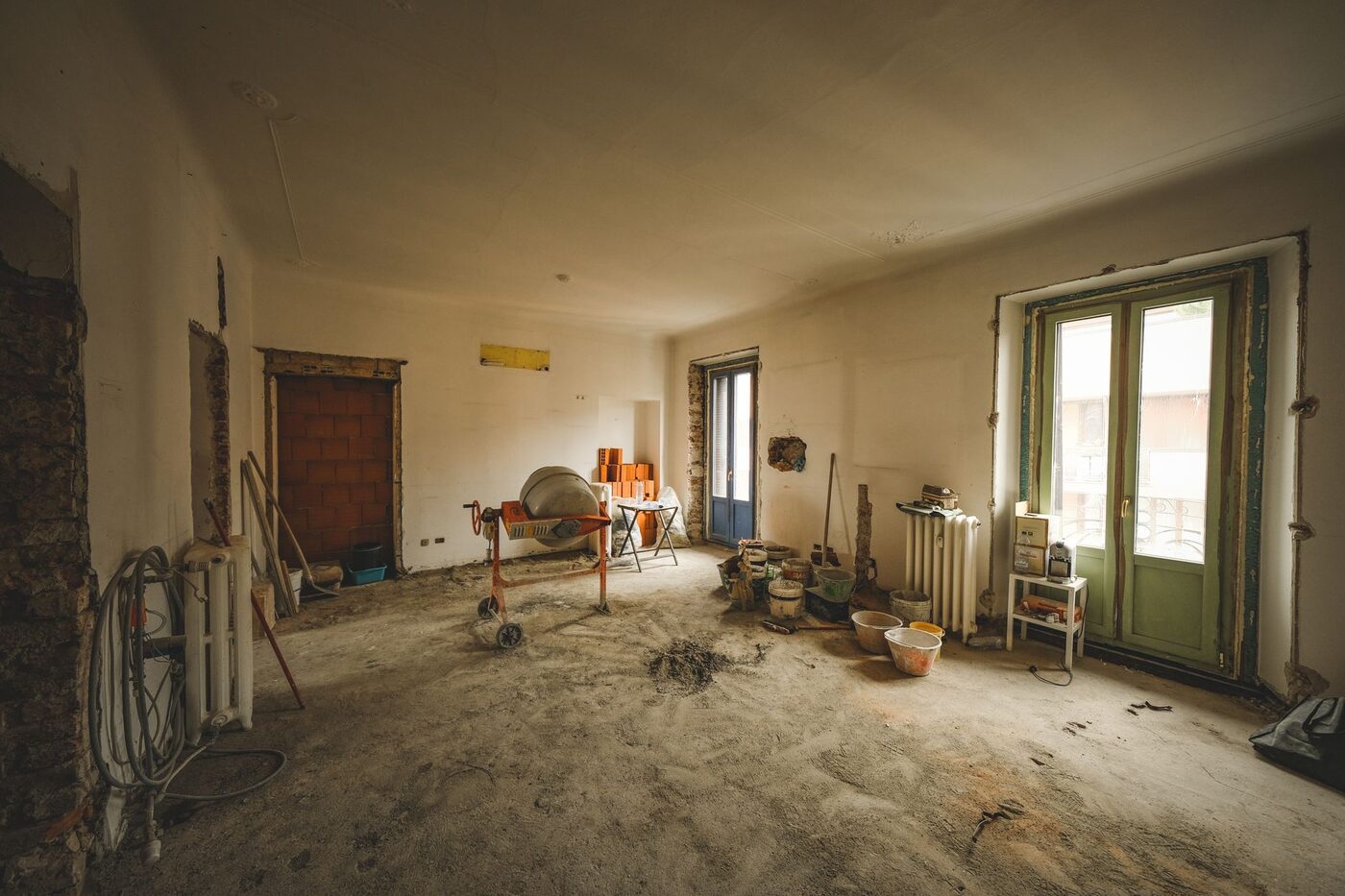
There is a specific phone call every contractor learns to recognise. It comes two or three weeks after you left site, and it opens gently. The client has noticed something. A crack in the render, a chipped worktop edge, a door that catches on the frame. Then comes the sentence the whole conversation was built towards: it wasn’t like that before you started.
You probably didn’t cause it. You almost certainly cannot show that, because your camera roll holds forty photos of finished work and not one frame of that wall on the morning you arrived.
That gap is the real problem with jobsite photography as most trades actually practise it. Photos get taken when something looks good enough to post, or when something has already gone wrong. The ordinary state of the place at the moment you took responsibility for it is the one thing nobody captures, and it is the thing every dispute turns on.
Four moments, and only one of them is optional
Photo documentation sounds like a full-time job until you realise it collapses into four points in a job’s life.
The first is arrival, before you touch anything. This is the set of photos that pays for the whole habit. You are not documenting your work here, you are documenting everything you did not come to do: the state of the driveway you’ll be parking on, the plaster either side of the wall you’re chasing, the existing scuffs on the skirting, the condition of the lawn, the neighbour’s fence. Photograph the access route as well, because damage on the way in and out is a classic argument. Meter readings too, if you’re on the client’s supply.
The second is the moment before anything gets covered up, and it is the one with real money attached. Once plasterboard goes on, nobody can see your first fix without opening the wall again. Once screed goes down, the membrane underneath is a matter of faith. Once tiles are on, the waterproofing is invisible forever. The industry phrase is a closed-in inspection, and the photo version of it costs you two minutes and saves you a destructive opening test later. Shoot the pipework, the cabling, the fixings, the insulation, the waterproofing laps, the substrate, and shoot them wide enough that the location in the building is obvious.
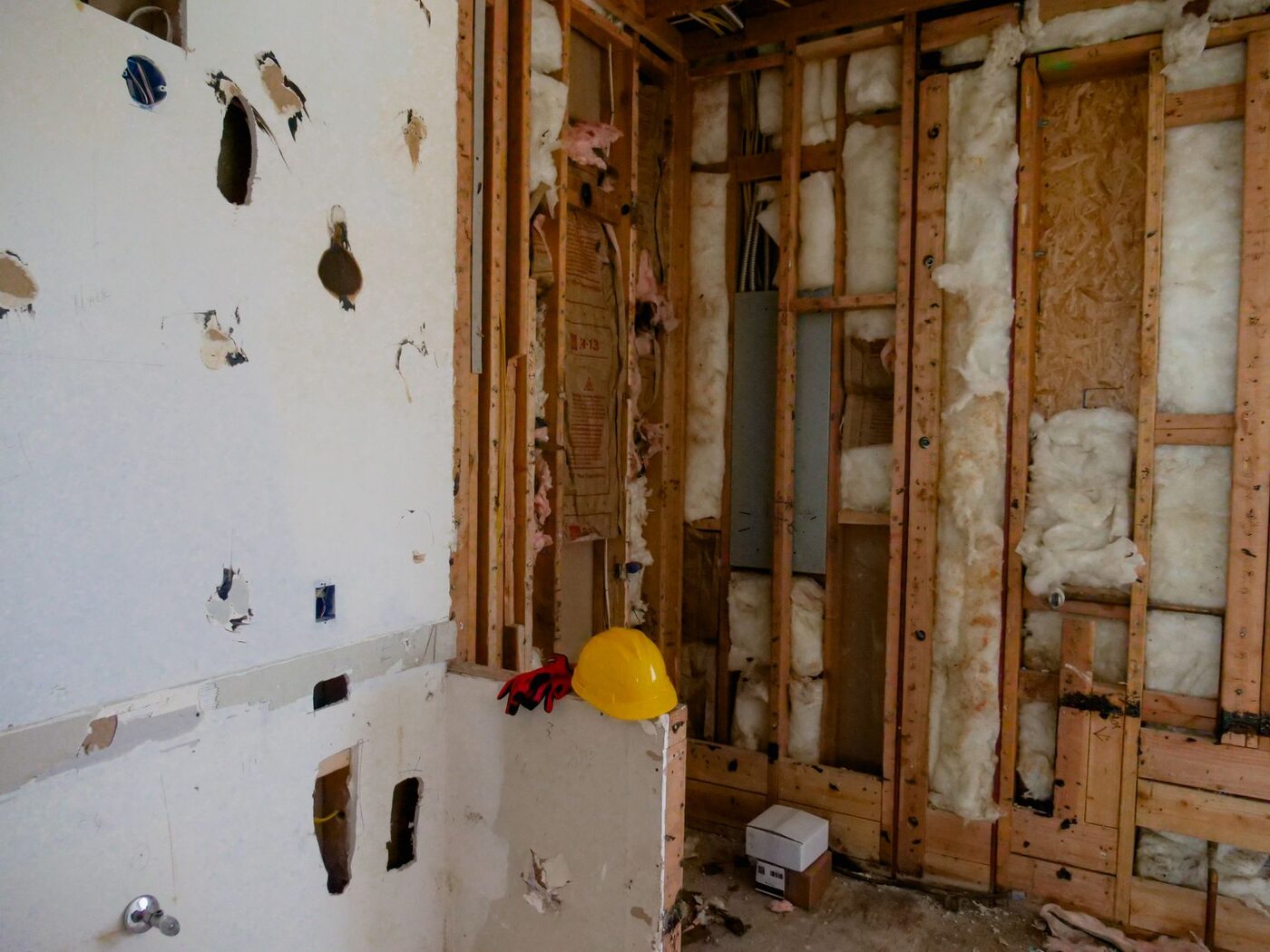
Third is progress, at intervals. On a two-day job this doesn’t exist. On a six-week job it is what supports your interim applications, gives you a defensible position on programme, and shows what site conditions were when a delay happened. Weekly is usually enough, plus any day something unusual happens: a delivery arrives damaged, another trade turns up and leaves a mess, the weather stops you working, you find something behind a wall that nobody costed for.
Fourth is completion, which is the one everybody already does. Finished work, snags cleared, the site left clean. Worth taking even when the client is standing next to you signing off, because agreement now is not the same as agreement in March.
The shot you’ll wish you had
Trades differ in where the risk hides. A rough guide to the frame that most often gets missed:
| Trade | The shot people forget |
|---|---|
| Electrical | Cable runs and box positions before boarding, plus the existing consumer unit as found |
| Plumbing & heating | Joints and pipe routes before they’re boxed in, and the old cylinder’s condition on day one |
| Roofing | Deck condition after strip, flashing detail at every penetration, underlayment laps |
| Groundworks | Trench base and services located, before backfill |
| Tiling & wet rooms | Tanking coverage and the falls, before a single tile |
| Painting & decorating | Substrate defects and existing damage before any prep |
| Flooring | Subfloor condition, moisture readings, damp membrane |
| Kitchens & joinery | Wall and floor levels as found, and the state of everything you’re working around |
What separates a useful photo from a phone snap
Work in pairs. One wide shot that establishes where in the building you are, then one tight shot of the detail. A close-up of a pipe joint proves nothing if there’s no way to tell which room it’s in or which property it belongs to. Photographers call it establishing and detail, and it is the single habit that raises the quality of a photo record more than any other.
Put something in the frame for scale when size is the point. A tape measure across a crack settles a conversation that a bare close-up starts. A spirit level lying on a floor says more about the fall than a paragraph would.
Shoot more than you think you need. Storage costs almost nothing and a second angle has saved plenty of people. The cost of a photo is two seconds; the cost of a missing photo is a day arguing about it.
Get the light right enough to be readable. Phone cameras handle a dim loft badly, and a black rectangle is not evidence. Turn the torch on, or open a door.
Metadata, and the ways it quietly disappears
Every photo your phone takes carries EXIF data: capture date and time, camera model, usually GPS coordinates if location is enabled. That is the layer that makes a photo locatable and datable rather than just a picture.
Two things go wrong with it. First, messaging apps strip it. Send a photo through WhatsApp and the recipient gets a recompressed copy with the metadata removed, which is a sensible privacy default and a disaster if the chat is your filing system. Screenshots lose it too, and so does anything that has been through most photo editors.
Second, EXIF is editable, which means a bare timestamp is not the trump card people imagine. Nobody serious treats one stamped image as conclusive. What actually carries weight in a dispute is a contemporaneous record: a large, consistent set of photos filed to the correct job as the work happened, produced by a system you obviously used the same way on every other job too. Consistency is the credibility. A folder of 300 photos across every project you ran last year is a much stronger position than four photos that appeared after the argument started.
Which is why a visible stamp on the image itself is worth having. Date, time and address written into the pixels survive being forwarded, screenshotted, printed, and pasted into a report by a loss adjuster who never sees the original file.

Filing is the part that actually fails
Most trades already take plenty of photos. The failure is almost never capture, it’s retrieval. Four hundred images sitting in a camera roll, interleaved with family photos and screenshots of parking permits, sorted only by date, is functionally the same as having none. When you need the one shot of a soil pipe from a job last spring, you will not scroll for it, and you will settle rather than look.
So the system matters more than the camera. Photos need to attach to a job, and the job needs a client and an address. That’s the whole schema. Anything that files at capture time works; anything that relies on you tidying up on Sunday evening does not, because nobody does that twice.
This is the boring problem SiteProof exists for: photos land inside the project they belong to, stamped with time and location as they’re taken, and come back out as a PDF report when someone asks. The habit is the valuable part, not the tool. Dated folders on a laptop that you actually keep up will beat any app you abandon in week three.
The mistakes that cost people money
Only photographing finished work. Understandable, since it’s the part you’re proud of, and it is exactly backwards from a risk point of view.
Photographing only the defect. If you shoot the damaged section and nothing around it, you’ve documented a problem without documenting its scale or location.
Trusting the camera roll as an archive. Phones get lost, dropped in footings, and reset. Anything that exists in one place does not exist.
Deleting old jobs to free up space. The job you delete is the one that comes back.
Letting the client’s word stand in for a record. Verbal agreement on a variation, backed by a photo of the work, is still not a variation order. Photographs corroborate a paper trail; they don’t replace one. Get the change in writing and photograph it too.
How much is enough
For a domestic job of a day or two, twenty photos on arrival and twenty at completion is a reasonable baseline, plus whatever gets covered in between. For anything structural or hidden, the answer is closer to every element, every time, because the cost of opening it back up is the alternative.
The test is simple: if you had to explain this job to someone who has never seen it, eighteen months from now, with no memory of the details, would these photos do it? If yes, you’re finished. If not, take a few more before you pack the van.
Common questions
How long should I keep jobsite photos?
Match your retention to the period you can still be chased over the work, which in most places is measured in years rather than months and is longer again for anything structural or covered up. Six years is a common working figure in the UK, and many US contractors keep records for the length of their state's statute of repose. Storage is cheap compared to losing an argument, so the safe habit is to keep everything and archive finished jobs rather than delete them.
Does a photo timestamp count as proof?
On its own, not really. An EXIF timestamp can be edited and a phone clock can be wrong, so no one treats a single stamped image as conclusive. What carries weight is a consistent, contemporaneous record: hundreds of photos filed to the right job as the work happened, in a system you clearly used the same way on every job, not a handful produced after an argument started.
Why do my photos lose their GPS and date when I send them?
Most messaging apps strip EXIF metadata and recompress the image on the way through, for privacy and bandwidth. WhatsApp is the usual culprit. If the metadata matters, send the original file rather than an in-chat photo, or use a system that writes the date, time and location into the visible image so it survives being forwarded.
What should I photograph if I only have five minutes?
The condition of everything you did not come to fix, before you start. Existing damage, the floor, the walls either side of your work area, the access route you will be carrying materials through, and the meter readings. Finished work photographs itself later. Pre-existing damage only exists in the ten minutes before you begin.